ok
免责声明:内容不构成买卖依据,投资有风险,入市需谨慎!
打破CEX与DEX的界限...Messari聚焦Bitget“UEX模式”创新性
2026-01-16 17:26:28
收藏
免责声明:
本网站、超链接、相关应用程序、论坛、博客等媒体账户以及其他平台和用户发布的所有内容均来源于第三方平台及平台用户。百亿财经对于网站及其内容不作任何类型的保证,网站所有区块链相关数据以及其他内容资料仅供用户学习及研究之用,不构成任何投资、法律等其他领域的建议和依据。百亿财经用户以及其他第三方平台在本网站发布的任何内容均由其个人负责,与百亿财经无关。百亿财经不对任何因使用本网站信息而导致的任何损失负责。您需谨慎使用相关数据及内容,并自行承担所带来的一切风险。强烈建议您独自对内容进行研究、审查、分析和验证。
展开阅读全文
80.00%
20.00%
利好
利空
-
市值
$758.31亿净流入
-$812.49万成交额
$7577.56万 -
市值
$2317.03亿净流入
$1.09亿成交额
$18.16亿 -
市值
$452.01亿净流入
-$219.89万成交额
$3.40亿
热门币种
更多- 市值 价格 过去7天
-

BTC
$1.32万亿$65995.34
0.54% -

ETH
$2317.03亿$1920.12
0.32% -

BNB
$758.31亿$568.91
0.95% -

XRP
$708.48亿$1.1337
0.4% -

SOL
$452.01亿$77.53
1.16% -

TRX
$311.89亿$0.3289
0.83% -

HYPE
$149.46亿$59.243
6.01% -

DOGE
$124.36亿$0.07255
0.41% -

WBTC
$101.23亿$65938.01
0.55% -

LEO
$89.65亿$9.756
0.43% -

ZEC
$87.37亿$519.48
5.28% -

XMR
$65.98亿$331.44
0.1% -

XLM
$64.73亿$0.1889
0.32% -

LINK
$64.67亿$8.636
0.88% -

ADA
$62.89亿$0.1716
2.78% -

CC
$49.00亿$0.12518
0.04% -

BCH
$44.65亿$222.5
0.71% -

GRAM
$44.40亿$1.539
5.85% -

TON
$44.40亿$1.779
0.0% -

USD1
$41.76亿$0.99977
0.0%
-
今日快讯
-
2026年最佳加密货币持仓量监测面板包括Coinglass、CoinAnk、CryptoQuant、Glassnode、Laevitas、CME Group、Velo、Binance Derivatives、Bybit Derivatives以及TradingView自定义持仓量脚本。其中,Coinglass和CoinAnk在实时持仓量监测和交易所对比方面领先,Glassnode在历史背景和周期解读方面表现突出,Laevitas和CME Group则服务于需要结合更广泛衍生品结构来理解持仓量的交易者。工具 | 亮点 | 评分 | 最佳适用场景Coinglass:最广泛的交易所持仓量对比,集成衍2026年十大最佳加密货币未平仓合约仪表盘13 分钟前
-
XRP价格距离打破看跌局面仅一步之遥XRP价格在加密货币市场复苏过程中一度触及1.16美元。截至发稿时,该代币在经历小幅回调后交易于1.14美元,这与过去几小时的市场走势保持一致。整个加密货币市场表现出强劲势头。比特币正逼近67,000美元,以太坊站稳1,900美元上方,山寨币纷纷反弹。XRP跟随市场回暖,但目前处于盘整阶段。与此同时,我钟爱的分析师CasiTrades(其XRP价格预测备受关注)刚刚更新了她对XRP的最新展望。CasiTrades:确认XRP宏观反转的关键水平CasiTrades于7月21日发布了最新的XRP分析。她的观点明确:紫色看跌情景仍在持续演绎。“第二浪调整”现已达到XRP价格距推翻看跌情景仅一步之遥!14 分钟前
-
标普道琼斯指数公司(S&P Dow Jones Indices)与潘特拉资本(Pantera Capital)联合推出了一款新型数字资产指数,其中以太坊、BNB 和 Solana 被列为该指数的主要覆盖资产。该指数名为“标普道琼斯潘特拉加密货币指数”,将传统指数品牌与一家专注于加密货币的投资机构相结合,标志着数字资产基准指数的机构化进程再迈进一步。核心要点标普道琼斯指数公司与潘特拉资本联合推出数字资产指数。以太坊、BNB 和 Solana 领衔该指数的主要覆盖范围。此次发布为日益增长的加密基准领域增添了一个公认的指数品牌。该指数通过联合公告正式推出,潘特拉资本在其区块链通信中介绍了“标标普道琼斯指数与Pantera联合推出以ETH、BNB和SOL为首的加密货币指数15 分钟前
-
Fundstrat研究主管:AI资本正从芯片股转向以太坊 Fundstrat研究主管汤姆·李表示,与人工智能行业相关的资本如今正从芯片制造商流向以太坊。他在7月21日于X平台发布的一篇帖子中指出,投资者正从投资AI硬件公司转向投资数字基础设施,这一发展可能从机构投资角度利好以太坊。这一最新表态延续了李对以太坊一贯的乐观看法。他认为,随着AI解决方案对去中心化结算、代币化和链上基础设施的需求日益增长,以太坊网络将从中受益。 以太坊与内存芯片ETF表现差距扩大 李指出,以太坊与追踪内存芯片制造商的基金之间表现差距正在扩大,这被视为“AI下游”交易升温的迹象。他提到:“AI下游交易持续走Tom Lee:AI基金正从存储芯片转向以太坊15 分钟前
-
代币化股票市场激增:月度链上交易量暴涨170倍至92亿美元,a16z数据显示 代币化股票正经历爆发式增长。根据风险投资巨头安德森·霍洛维茨旗下数字资产部门a16z Crypto的专有数据,代币化股票的月度链上交易量同比飙升约170倍,6月达到92.2亿美元。而去年同期的交易量仅为5300万美元,这一增长堪称戏剧性加速。 是什么驱动了170倍交易量激增? 链上活动的急剧增长反映出市场对现实世界资产代币化的需求日益旺盛——即股票等传统金融工具在区块链网络上发行和交易。a16z的数据显示,该领域已从实验性发行转向有意义的交易量,背后的推动因素包括基础设施的改善、部分司法管辖区监管框架的明晰,以及对7代币化股票市场激增:链上月交易量暴涨170倍至92亿美元,a16z数据显示15 分钟前
-
XRP鲸鱼持仓增加2.8%,代币短暂回升至1.16美元在过去的五周内,持有10万至1亿枚XRP的钱包地址的总持仓量增长了2.8%。随着代币从6月底的低点反弹,这些地址持续加仓。此次增持覆盖了分析平台归类为XRP鲨鱼和鲸鱼的地址区间。其钱包分布图表显示,与这一增长相伴的是,持有少于0.01枚XRP的钱包地址的持仓量减少了5.2%。XRP周二短暂突破1.16美元,随后回吐部分涨幅。周三该代币交易价格接近1.06美元,此前的反弹发生在6月跌至1美元下方之后。在最新价格变动之前,大额XRP转账已有所降温。XRP账本中价值超过100万美元的交易数量在一周内从70笔降至2笔,最大持有者的交易所和链上转移活XRP鲸鱼持仓量上升2.8%,代币短暂重回1.16美元16 分钟前

-
Fundstrat研究主管:AI资本正从硬件转向以太坊 Fundstrat全球顾问公司研究主管汤姆·李表示,人工智能领域的资本正日益从专注于AI硬件的半导体公司转向以太坊。他在X平台的一篇最新帖子中称,这一发展表明数字基础设施(尤其是以太坊)可能正在获得机构投资者的青睐。 AI行业资本转向数字基础设施 汤姆·李长期以来一直对以太坊持看涨态度。他此前曾强调,随着AI解决方案的普及,以太坊网络可以从去中心化结算、代币化和链上基础设施需求的增长中受益。 在将以太坊近期表现与内存芯片制造商进行比较时,汤姆·李注意到了显著的差异。他将此称为"AI下游"交易,暗示资金可能正在从传统的AI硬件转向基于区块链Fundstrat的Tom Lee:资金轮动下ETH跑赢AI内存ETF达72%16 分钟前
-
加密货币的长期痛点:技术已成熟,但主流采用仍步履蹒跚 对加密货币支持者而言,一个持久难题始终存在:技术本身已经成熟,但主流用户因面临太多障碍而迟迟难以大规模接纳。Telegram 认为,只需一次更新就能解决这个问题。Telegram 创始人 Pavel Durov 已确认,该平台将于今年夏天在所有 Telegram 应用中推出原生的非托管 Gram 钱包。此举将让超过 10 亿用户无需离开应用,即可进行即时、零费用的加密货币交易。 仅从规模来看,这一举措就令人震惊。目前没有任何现有的加密货币钱包拥有如此庞大的预装用户基础。Durov 将此次发布视为 Telegram 不断增长的数字经济的自然延Telegram计划今夏将Gram钱包集成至所有聊天应用16 分钟前
-
2万亿美元资产管理公司数字资产与创新主管“刚刚建议买入ETH”周二,前贝莱德副总裁、Milk Road Daily 主持人 John Gillen 评论道:“一家管理着2万亿美元资产的资产管理公司的数字资产与创新主管刚刚建议买入ETH。”他的这番话是对富兰克林坦伯顿的 Sandy Kaul 在 X 平台上一篇长文的回应,该文探讨了加密货币在自主人工智能支付中的应用场景。他表示,大多数投资者买入与人工智能相关的公司股票,是为了抓住当下的增长机会。美国股市近期表现强劲,标普500指数在过去一年上涨了20%,并于6月初创下历史新高,这主要得益于科技股和人工智能股的推动。然而,他认为同样的策略可能并不富兰克林坦伯顿高管称自主AI是加密货币的“杀手级应用”,以太坊逼近2000美元16 分钟前
-
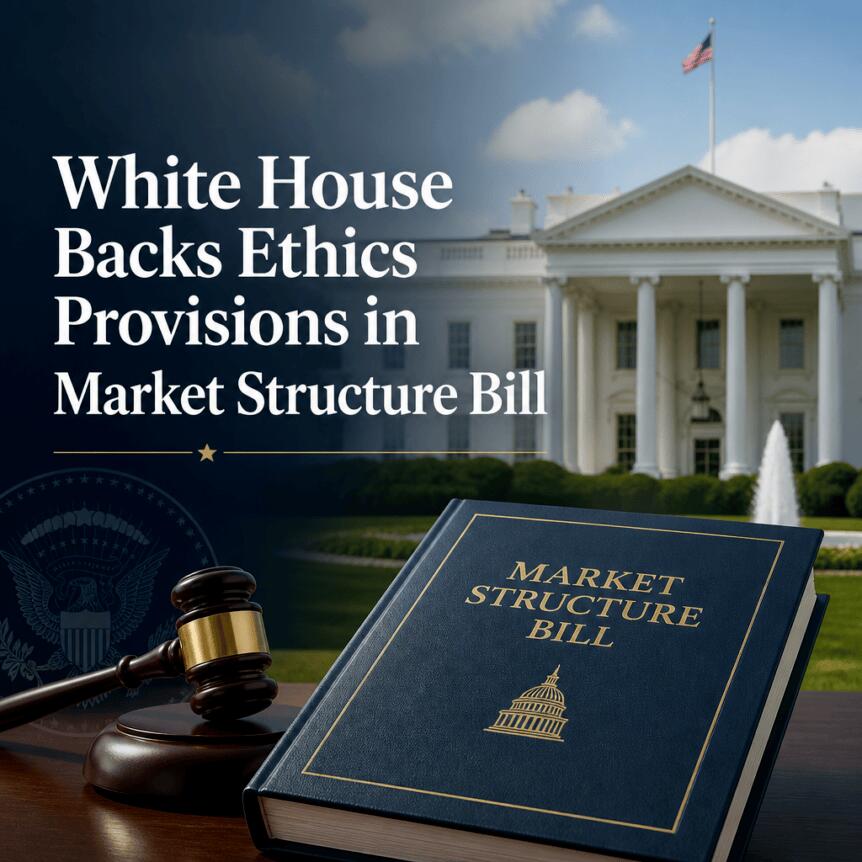
白宫就数字资产市场清晰法案达成伦理条款协议 据周二发布的一份报告显示,白宫已与共和党参议员辛西娅·卢米斯和伯尼·莫雷诺就《数字资产市场清晰法案》中的伦理条款达成协议。这一举措可能有助于争取部分参议院民主党人对该法案的支持,而该法案在即将到来的紧张投票前仍面临激烈争议。 报告称,白宫官员与卢米斯和莫雷诺会面,就伦理条款进行谈判。两位参议员均未公开透露具体条款细节,但这一进展——正值议员们讨论法案如何解决利益冲突问题——被认为可能对总统唐纳德·特朗普更广泛的加密相关议程的前景产生潜在影响。 关键要点 该法案在参议院的通过路径可能更多取决于议员们是否认为伦理条款足够充分,而非技术性政策细节。据报道,白宫支持市场结构法案中的道德条款16 分钟前
-
币安理财收益竞技场新一期限时活动上线 币安理财收益竞技场(Binance Earn Yield Arena)于2026年7月22日当周推出新一轮限时优惠,宣传年化收益率最高可达35%。本次活动为限时促销,与本周更新同步,这意味着标称利率仅为条件性上限,并非每位参与者都能获得保证收益。 核心要点速览 · 币安理财收益竞技场新优惠宣称年化收益率高达35%。· 促销活动为限时性质,与2026年7月22日当周更新挂钩。· “高达”一词表示最高标称利率,因此订阅前需核实实际条款。 币安本月初曾表示,将在多个产品中推出限时理财促销活动,并提高年化收益率。本周收益竞技场的更新延续了这一节奏,将“最高35%币安理财收益竞技场,年化收益率高达35%:2026年7月22日新优惠上线16 分钟前
-
Satsuma Technology 的股东投票决定出售公司持有的 668 枚比特币,将所得款项返还给投资者,并从伦敦证券交易所退市。超过 90% 的股东投票赞成此举。这场持续不到一年的企业比特币押注就此画上句号。Satsuma 加入了其他数字资产财务公司的行列,放弃了这一模式,而比特币的交易价格也远低于去年高点。四位董事在投票中输给股东这些决议是在股东的提议下通过的。这暴露了 Satsuma 董事会内部的分歧。六位董事中有四位反对清算,他们告诉股东,从长远来看,上市比特币工具更为有利。只有两位董事支持返还资本,而股东站在了少数派一边。超过 90% 的投票赞成出售 668 枚 BTC(价值约Satsuma股东投票通过出售668枚比特币并从伦敦退市16 分钟前
-
2026年最佳加密货币清算热力图工具包括Coinglass、CoinAnk、Hyblock Capital、Velo Data、DecenTrader、The Kingfisher、TensorCharts和Bookmap。Coinglass在交易所覆盖范围和日常使用便捷性方面领先,CoinAnk在期货原生信号密度方面领先,Hyblock则服务于需要更精细、更侧重执行层面的杠杆聚集视图的交易者。工具对比速览Coinglass:最广泛的交易所覆盖(30+),三种热力图模型,评分5/5,最适合日常全功能衍生品工作流。CoinAnk:最紧凑的期货原生信号层级,评分4.5/5,最适合以衍生品为先、关注2026年8大最佳加密货币清算热力图41 分钟前
-
调查发现:多数美国加密货币投资者愿意将投资组合交给AI管理 全球加密货币交易平台OKX的一项新调查显示,投资者对人工智能的态度正在发生显著转变。研究发现,70%的美国加密货币投资者愿意让AI管理他们的数字资产组合,无论是完全自主决策,还是在预设的风险参数范围内操作。 对AI信任度的代际差异 这项针对1400名美国加密货币投资者的调查揭示了不同代际在自动化投资组合管理接受度上的明显差异。在Z世代受访者中,38%表示愿意让AI完全掌控自己的投资,这一比例与千禧一代中持相同信任水平的37%几乎持平。相比之下,只有11%的婴儿潮一代接受完全自主的AI管理人。这表明,在算法推荐伴随成长(从音乐到社交媒体多数美国加密货币投资者愿将投资组合交由AI管理42 分钟前
-
Solana(SOL)和Hyperliquid(HYPE)交易所交易基金目前占据了比特币和以太坊产品之外的山寨币ETF交易量的近80%。 要点 Solana ETF的管理资产规模达到9.04亿美元,而Hyperliquid基金则吸引了3.5亿美元的净流入。 这两类产品分别约占其基础代币市值的2%。 它们的增长表明市场对更高风险的加密货币敞口存在需求,不过比特币更长的ETF历史使得直接比较变得复杂。 Solana ETF资金流向 根据一份分析报告,Solana和Hyperliquid基金已取得进展,而大多数机构注意力仍集中在现货比特币(BTC)和以太坊(ETH)ETF上。Solana ETF的管Solana与Hyperliquid包揽80%山寨币ETF交易量50 分钟前
-
加密货币永续合约引发监管辩论 加密货币永续合约交易量的激增,正重新吸引美国消费者权益倡导组织的关注,它们急于影响监管政策。随着散户投资者推动这一前所未有的交易热潮,这些组织正加大力度,确保出台严格措施,以管理这些金融产品带来的潜在风险。 消费者权益倡导组织如何产生影响? 这些组织并非仅依靠传统游说手段在立法走廊内活动,它们还积极参与正式流程以左右监管决策。提交正式意见、法律文件,并与州及联邦监管机构沟通,构成了它们在数字资产市场新规出台前推动全面规则的策略。 总部位于华盛顿特区的组织“更好市场”由前律师丹尼斯·凯莱赫领导,一直处于这项努力的前沿。该组织始终主张加强对金融市场的监管,尤其是加密货加密货币期货引发监管辩论51 分钟前

-
Telegram 计划今夏在全平台应用中原生集成非托管 Gram 钱包 即时通讯应用 Telegram 计划于今年夏天在其所有版本中集成一款原生非托管 Gram 钱包。此举将把自我托管基础设施嵌入一个拥有超过 10 亿月活跃用户的平台中。 创始人帕维尔·杜罗夫周二通过其官方渠道宣布了这一部署计划,并称其为迄今最大规模的非托管加密货币钱包部署。他表示,该集成将支持 Telegram 内即时、零手续费的交易。 这款钱包将让用户直接掌控自己的私钥,而非通过中心化托管机构持有资产。Telegram 尚未公布具体的上线日期、技术文档或网络费用如何覆盖的细节。 杜罗夫的表述表明,该钱包界面将通过 TeleTelegram计划今夏全应用推出原生Gram钱包51 分钟前

-
约70%的美国加密货币交易者愿意让AI管理他们的投资组合。这一调查结果表明,人们对AI管理的加密投资组合持开放态度,而非已确认采纳该技术。调查揭示:AI管理加密投资组合的意愿报告中的近70%这一数字,反映了美国加密货币交易者的意愿或信任,而非这些交易者已在用AI工具管理其资产——这是基于调查的框架得出的结论。这一区分至关重要。“愿意让”描述的是将决策权交给自动化系统的表态,属于情绪信号,而非实际使用或性能的衡量指标。该调查结果也仅针对美国加密货币交易者,并不适用于全球市场,也不适用于不活跃交易数字资产的广大散户投资者。美国加密交易者为何更倾向AI工具多数受访者如此作答,表明便捷性、速度和效率可调查:70%美国加密货币交易者愿让AI管理投资组合1 小时前

-
比特币价格突破66K,多头目标70K突破 比特币价格攀升至66K以上,ETF资金连续五个交易日净流入。分析师指出69.3K和70K为下一个主要阻力位。尽管市场持续盘整,鲸鱼积累仍在支撑比特币价格。 在美国现货比特币ETF创下自5月以来最长连续流入纪录后,比特币价格交易于66K上方。截至发稿时,比特币过去24小时上涨1.12%,报66.2K。此次比特币价格回升得益于机构需求复苏、ETF资金稳定流入以及鲸鱼持续积累,交易员正密切关注主要阻力位。 据SoSoValue数据,现货比特币ETF在7月20日净流入2.269亿美元,将连续五天的买入势头延续至总额超过7.27亿美元。贝莱德的IBIT以1.16比特币价格稳守66K上方,多头剑指70K突破1 小时前
-
标普道琼斯指数与Pantera Capital联合推出标普Pantera数字资产指数 标普道琼斯指数公司(S&P Dow Jones Indices)与Pantera Capital联合推出了标普Pantera数字资产指数(S&P Pantera Digital Asset Index)。该指数是一个全新的基准,通过收入、市值和流动性指标筛选数字资产。 摘要 标普与Pantera推出了一个包含18种代币的指数,专门面向机构投资者,聚焦于产生收入的数字资产。目前,以太坊(ETH)、BNB、Solana(SOL)、波场(TRX)和Hyperliquid(HYPE)位列该指数前五大持仓。该基准在应用标普与Pantera推出以ETH、BNB和SOL为首的加密货币指数1 小时前
更多新闻
-
![]() 6月代币化股票月度转移额达92.2亿美元代币化股票月度转账量在6月达到92.2亿美元6月份,代币化股票的月度转账量约为92.2亿美元。这一数字表明,尽管与传统的交易平台相比,该市场规模仍然较小,但与代币化股票产品相关的链上活动正在变得愈发活跃。该数据衡量的是转账量,即当月代币化股票代币在链上转移的总价值,而非某个单一交易所的交易量或该领域的整体市值。代币化股票是基于区块链的股票代表物,可以在加密货币钱包中持有和转移,其发行和结算数据汇总在相关的代币化股票追踪仪表板上。为何关注转账量这一指标转账量衡量的是钱包之间价值转移的频率和规模,这与交易所订单簿的成交额或流通中的代币总价值有所不同。较高的转账量可能反映结算活动、抵押品转移或投资者11 分钟前
6月代币化股票月度转移额达92.2亿美元代币化股票月度转账量在6月达到92.2亿美元6月份,代币化股票的月度转账量约为92.2亿美元。这一数字表明,尽管与传统的交易平台相比,该市场规模仍然较小,但与代币化股票产品相关的链上活动正在变得愈发活跃。该数据衡量的是转账量,即当月代币化股票代币在链上转移的总价值,而非某个单一交易所的交易量或该领域的整体市值。代币化股票是基于区块链的股票代表物,可以在加密货币钱包中持有和转移,其发行和结算数据汇总在相关的代币化股票追踪仪表板上。为何关注转账量这一指标转账量衡量的是钱包之间价值转移的频率和规模,这与交易所订单簿的成交额或流通中的代币总价值有所不同。较高的转账量可能反映结算活动、抵押品转移或投资者11 分钟前 -
![]() 2026年十大最佳加密货币未平仓合约仪表盘2026年最佳加密货币持仓量监测面板包括Coinglass、CoinAnk、CryptoQuant、Glassnode、Laevitas、CME Group、Velo、Binance Derivatives、Bybit Derivatives以及TradingView自定义持仓量脚本。其中,Coinglass和CoinAnk在实时持仓量监测和交易所对比方面领先,Glassnode在历史背景和周期解读方面表现突出,Laevitas和CME Group则服务于需要结合更广泛衍生品结构来理解持仓量的交易者。工具 | 亮点 | 评分 | 最佳适用场景Coinglass:最广泛的交易所持仓量对比,集成衍
2026年十大最佳加密货币未平仓合约仪表盘2026年最佳加密货币持仓量监测面板包括Coinglass、CoinAnk、CryptoQuant、Glassnode、Laevitas、CME Group、Velo、Binance Derivatives、Bybit Derivatives以及TradingView自定义持仓量脚本。其中,Coinglass和CoinAnk在实时持仓量监测和交易所对比方面领先,Glassnode在历史背景和周期解读方面表现突出,Laevitas和CME Group则服务于需要结合更广泛衍生品结构来理解持仓量的交易者。工具 | 亮点 | 评分 | 最佳适用场景Coinglass:最广泛的交易所持仓量对比,集成衍 -
![]() XRP价格距推翻看跌情景仅一步之遥!XRP价格距离打破看跌局面仅一步之遥XRP价格在加密货币市场复苏过程中一度触及1.16美元。截至发稿时,该代币在经历小幅回调后交易于1.14美元,这与过去几小时的市场走势保持一致。整个加密货币市场表现出强劲势头。比特币正逼近67,000美元,以太坊站稳1,900美元上方,山寨币纷纷反弹。XRP跟随市场回暖,但目前处于盘整阶段。与此同时,我钟爱的分析师CasiTrades(其XRP价格预测备受关注)刚刚更新了她对XRP的最新展望。CasiTrades:确认XRP宏观反转的关键水平CasiTrades于7月21日发布了最新的XRP分析。她的观点明确:紫色看跌情景仍在持续演绎。“第二浪调整”现已达到
XRP价格距推翻看跌情景仅一步之遥!XRP价格距离打破看跌局面仅一步之遥XRP价格在加密货币市场复苏过程中一度触及1.16美元。截至发稿时,该代币在经历小幅回调后交易于1.14美元,这与过去几小时的市场走势保持一致。整个加密货币市场表现出强劲势头。比特币正逼近67,000美元,以太坊站稳1,900美元上方,山寨币纷纷反弹。XRP跟随市场回暖,但目前处于盘整阶段。与此同时,我钟爱的分析师CasiTrades(其XRP价格预测备受关注)刚刚更新了她对XRP的最新展望。CasiTrades:确认XRP宏观反转的关键水平CasiTrades于7月21日发布了最新的XRP分析。她的观点明确:紫色看跌情景仍在持续演绎。“第二浪调整”现已达到 -
![]() 标普道琼斯指数与Pantera联合推出以ETH、BNB和SOL为首的加密货币指数标普道琼斯指数公司(S&P Dow Jones Indices)与潘特拉资本(Pantera Capital)联合推出了一款新型数字资产指数,其中以太坊、BNB 和 Solana 被列为该指数的主要覆盖资产。该指数名为“标普道琼斯潘特拉加密货币指数”,将传统指数品牌与一家专注于加密货币的投资机构相结合,标志着数字资产基准指数的机构化进程再迈进一步。核心要点标普道琼斯指数公司与潘特拉资本联合推出数字资产指数。以太坊、BNB 和 Solana 领衔该指数的主要覆盖范围。此次发布为日益增长的加密基准领域增添了一个公认的指数品牌。该指数通过联合公告正式推出,潘特拉资本在其区块链通信中介绍了“标
标普道琼斯指数与Pantera联合推出以ETH、BNB和SOL为首的加密货币指数标普道琼斯指数公司(S&P Dow Jones Indices)与潘特拉资本(Pantera Capital)联合推出了一款新型数字资产指数,其中以太坊、BNB 和 Solana 被列为该指数的主要覆盖资产。该指数名为“标普道琼斯潘特拉加密货币指数”,将传统指数品牌与一家专注于加密货币的投资机构相结合,标志着数字资产基准指数的机构化进程再迈进一步。核心要点标普道琼斯指数公司与潘特拉资本联合推出数字资产指数。以太坊、BNB 和 Solana 领衔该指数的主要覆盖范围。此次发布为日益增长的加密基准领域增添了一个公认的指数品牌。该指数通过联合公告正式推出,潘特拉资本在其区块链通信中介绍了“标 -
![]() Tom Lee:AI基金正从存储芯片转向以太坊Fundstrat研究主管:AI资本正从芯片股转向以太坊 Fundstrat研究主管汤姆·李表示,与人工智能行业相关的资本如今正从芯片制造商流向以太坊。他在7月21日于X平台发布的一篇帖子中指出,投资者正从投资AI硬件公司转向投资数字基础设施,这一发展可能从机构投资角度利好以太坊。这一最新表态延续了李对以太坊一贯的乐观看法。他认为,随着AI解决方案对去中心化结算、代币化和链上基础设施的需求日益增长,以太坊网络将从中受益。 以太坊与内存芯片ETF表现差距扩大 李指出,以太坊与追踪内存芯片制造商的基金之间表现差距正在扩大,这被视为“AI下游”交易升温的迹象。他提到:“AI下游交易持续走15 分钟前0.92%
ETH
Tom Lee:AI基金正从存储芯片转向以太坊Fundstrat研究主管:AI资本正从芯片股转向以太坊 Fundstrat研究主管汤姆·李表示,与人工智能行业相关的资本如今正从芯片制造商流向以太坊。他在7月21日于X平台发布的一篇帖子中指出,投资者正从投资AI硬件公司转向投资数字基础设施,这一发展可能从机构投资角度利好以太坊。这一最新表态延续了李对以太坊一贯的乐观看法。他认为,随着AI解决方案对去中心化结算、代币化和链上基础设施的需求日益增长,以太坊网络将从中受益。 以太坊与内存芯片ETF表现差距扩大 李指出,以太坊与追踪内存芯片制造商的基金之间表现差距正在扩大,这被视为“AI下游”交易升温的迹象。他提到:“AI下游交易持续走15 分钟前0.92%
ETH
-
![]() 代币化股票市场激增:链上月交易量暴涨170倍至92亿美元,a16z数据显示代币化股票市场激增:月度链上交易量暴涨170倍至92亿美元,a16z数据显示 代币化股票正经历爆发式增长。根据风险投资巨头安德森·霍洛维茨旗下数字资产部门a16z Crypto的专有数据,代币化股票的月度链上交易量同比飙升约170倍,6月达到92.2亿美元。而去年同期的交易量仅为5300万美元,这一增长堪称戏剧性加速。 是什么驱动了170倍交易量激增? 链上活动的急剧增长反映出市场对现实世界资产代币化的需求日益旺盛——即股票等传统金融工具在区块链网络上发行和交易。a16z的数据显示,该领域已从实验性发行转向有意义的交易量,背后的推动因素包括基础设施的改善、部分司法管辖区监管框架的明晰,以及对715 分钟前
代币化股票市场激增:链上月交易量暴涨170倍至92亿美元,a16z数据显示代币化股票市场激增:月度链上交易量暴涨170倍至92亿美元,a16z数据显示 代币化股票正经历爆发式增长。根据风险投资巨头安德森·霍洛维茨旗下数字资产部门a16z Crypto的专有数据,代币化股票的月度链上交易量同比飙升约170倍,6月达到92.2亿美元。而去年同期的交易量仅为5300万美元,这一增长堪称戏剧性加速。 是什么驱动了170倍交易量激增? 链上活动的急剧增长反映出市场对现实世界资产代币化的需求日益旺盛——即股票等传统金融工具在区块链网络上发行和交易。a16z的数据显示,该领域已从实验性发行转向有意义的交易量,背后的推动因素包括基础设施的改善、部分司法管辖区监管框架的明晰,以及对715 分钟前 -
![]() Balance Coin暴跌99%,此前报道42DAO遭91.5万美元攻击Balance Coin(BLC)是一种旨在追踪美元价值的算法稳定币,在区块链安全公司报告疑似涉及42DAO的攻击后,其价值暴跌超过99%。摘要安全公司将Balance Coin的崩盘与42DAO遭受的攻击联系起来后,该代币价值蒸发逾99%。攻击者疑似铸造了无抵押的BLC,随后通过PancakeSwap资金池将代币兑换为USDT和BTCB。在BNB Chain上发生的两笔可疑交易中,约91.5万美元的资金被提取,同时Balance Coin迅速脱锚。PeckShield表示,该事件造成约91.5万美元的损失,并将BLC的崩盘与影响42DAO(Balance Protocol生态系统中相关的去中15 分钟前
Balance Coin暴跌99%,此前报道42DAO遭91.5万美元攻击Balance Coin(BLC)是一种旨在追踪美元价值的算法稳定币,在区块链安全公司报告疑似涉及42DAO的攻击后,其价值暴跌超过99%。摘要安全公司将Balance Coin的崩盘与42DAO遭受的攻击联系起来后,该代币价值蒸发逾99%。攻击者疑似铸造了无抵押的BLC,随后通过PancakeSwap资金池将代币兑换为USDT和BTCB。在BNB Chain上发生的两笔可疑交易中,约91.5万美元的资金被提取,同时Balance Coin迅速脱锚。PeckShield表示,该事件造成约91.5万美元的损失,并将BLC的崩盘与影响42DAO(Balance Protocol生态系统中相关的去中15 分钟前 -
![]() XRP鲸鱼持仓量上升2.8%,代币短暂重回1.16美元XRP鲸鱼持仓增加2.8%,代币短暂回升至1.16美元在过去的五周内,持有10万至1亿枚XRP的钱包地址的总持仓量增长了2.8%。随着代币从6月底的低点反弹,这些地址持续加仓。此次增持覆盖了分析平台归类为XRP鲨鱼和鲸鱼的地址区间。其钱包分布图表显示,与这一增长相伴的是,持有少于0.01枚XRP的钱包地址的持仓量减少了5.2%。XRP周二短暂突破1.16美元,随后回吐部分涨幅。周三该代币交易价格接近1.06美元,此前的反弹发生在6月跌至1美元下方之后。在最新价格变动之前,大额XRP转账已有所降温。XRP账本中价值超过100万美元的交易数量在一周内从70笔降至2笔,最大持有者的交易所和链上转移活16 分钟前0.68%
XRP
XRP鲸鱼持仓量上升2.8%,代币短暂重回1.16美元XRP鲸鱼持仓增加2.8%,代币短暂回升至1.16美元在过去的五周内,持有10万至1亿枚XRP的钱包地址的总持仓量增长了2.8%。随着代币从6月底的低点反弹,这些地址持续加仓。此次增持覆盖了分析平台归类为XRP鲨鱼和鲸鱼的地址区间。其钱包分布图表显示,与这一增长相伴的是,持有少于0.01枚XRP的钱包地址的持仓量减少了5.2%。XRP周二短暂突破1.16美元,随后回吐部分涨幅。周三该代币交易价格接近1.06美元,此前的反弹发生在6月跌至1美元下方之后。在最新价格变动之前,大额XRP转账已有所降温。XRP账本中价值超过100万美元的交易数量在一周内从70笔降至2笔,最大持有者的交易所和链上转移活16 分钟前0.68%
XRP
-
![]() Fundstrat的Tom Lee:资金轮动下ETH跑赢AI内存ETF达72%Fundstrat研究主管:AI资本正从硬件转向以太坊 Fundstrat全球顾问公司研究主管汤姆·李表示,人工智能领域的资本正日益从专注于AI硬件的半导体公司转向以太坊。他在X平台的一篇最新帖子中称,这一发展表明数字基础设施(尤其是以太坊)可能正在获得机构投资者的青睐。 AI行业资本转向数字基础设施 汤姆·李长期以来一直对以太坊持看涨态度。他此前曾强调,随着AI解决方案的普及,以太坊网络可以从去中心化结算、代币化和链上基础设施需求的增长中受益。 在将以太坊近期表现与内存芯片制造商进行比较时,汤姆·李注意到了显著的差异。他将此称为"AI下游"交易,暗示资金可能正在从传统的AI硬件转向基于区块链16 分钟前0.92%
ETH
Fundstrat的Tom Lee:资金轮动下ETH跑赢AI内存ETF达72%Fundstrat研究主管:AI资本正从硬件转向以太坊 Fundstrat全球顾问公司研究主管汤姆·李表示,人工智能领域的资本正日益从专注于AI硬件的半导体公司转向以太坊。他在X平台的一篇最新帖子中称,这一发展表明数字基础设施(尤其是以太坊)可能正在获得机构投资者的青睐。 AI行业资本转向数字基础设施 汤姆·李长期以来一直对以太坊持看涨态度。他此前曾强调,随着AI解决方案的普及,以太坊网络可以从去中心化结算、代币化和链上基础设施需求的增长中受益。 在将以太坊近期表现与内存芯片制造商进行比较时,汤姆·李注意到了显著的差异。他将此称为"AI下游"交易,暗示资金可能正在从传统的AI硬件转向基于区块链16 分钟前0.92%
ETH


 交易所
交易所 交易所排行榜
 24小时成交排行榜
 人气排行榜
人气排行榜 交易所比特币余额
 交易所资产透明度证明
 去中心化交易所
 资金费率
资金费率 资金费率热力图
 爆仓数据
爆仓数据 清算最大痛点
 多空比
多空比 大户多空比
大户多空比 币安/欧易/火币大户多空比
 Bitfinex杠杆多空比
 ETF追踪
ETF追踪 索拉纳ETF
 瑞波币ETF
 香港ETF
香港ETF 比特币持币公司
 加密资产反转
 以太坊储备
以太坊储备 HyperLiquid钱包分析
 Hyperliquid鲸鱼监控
 大额转账
大额转账 链上异动
链上异动 比特币回报率
 稳定币市值
稳定币市值 期权分析
期权分析 新闻
新闻 文章
文章 财经日历
财经日历 专题
专题 钱包
钱包 合约计算器
合约计算器


 账号安全
账号安全 资讯收藏
资讯收藏 自选币种
自选币种 我的关注
我的关注